THE PROGRAM OF THE 19th FAITO DOC FESTIVAL 2026
Documentaries - Exhibitions - Walks - Land Art - Concerts - Yoga - Meetings - Masterclasses - Kids
Welcome to the XIX Edition — theme: ‘Community’
Greetings from Nathalie Rossetti, Turi Finocchiaro, and Marika De Rosa
What is a community?
It is a shared language, a human landscape, a memory. It is a family that grows, a village that endures, an invisible network that holds distant worlds together. It can be crossed by conflict: differences that are not only enriching but also irritating, painful. A community can be born from care, from need, from welcome. It can close in on itself or open up to the new. Today, in a time torn by fears, divisions and individualism, still believing in the possibility of ‘making community’ becomes almost a gesture of hope and resistance. How can we be together without excluding? What kind of vision, presence and relationship can we still invent? How can we listen to the other without ceasing to be ourselves? Through plural perspectives on reality, coming from different cultures, countries and paths, the Faito Doc Festival will explore these questions without claiming to offer answers, but seeking in cinema a shared space of encounter, listening and exchange. For nineteen years, Faito Doc has been a small, temporary community: loyal friends and new faces, artists, locals and travellers who, on Monte Faito, share for seven days films, training, exhibitions, landscapes and emotions. Because perhaps making community, in its essence, means creating a place where the other can be welcomed and where you too, reading this, can walk with us towards a more human world.”

SCREENED DOCUMENTARIES
INTERNATIONAL FEATURE FILM COMPETITION
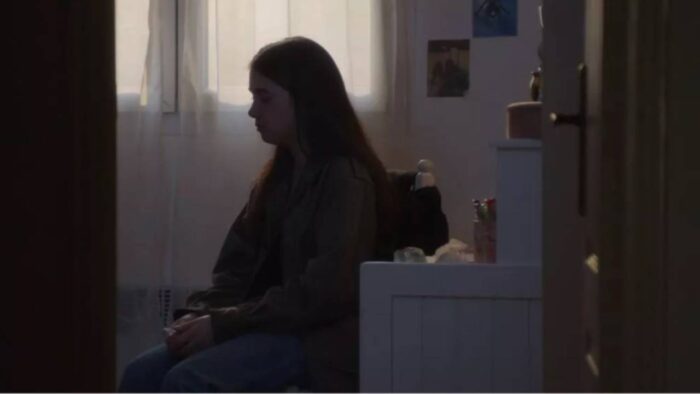
#SAINTEJULIE
Giulia Montineri
104’ – FR – 2026
Casa del Cinema: July 24
10:30 am
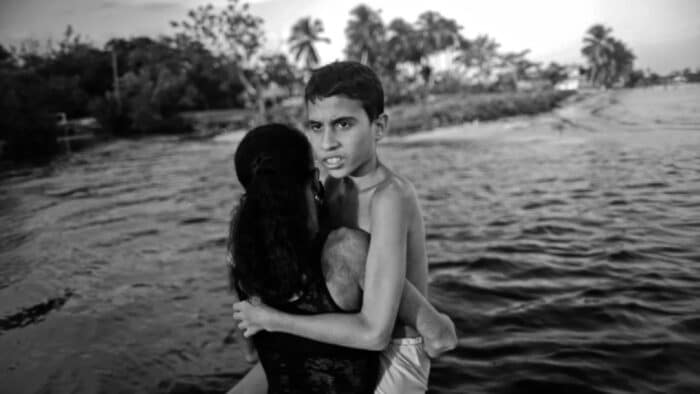
AL OESTE, EN ZAPATA
David Beltràn i Marì
74’ – CU-ESP – 2025
Casa del Cinema: July 21
10.30 am
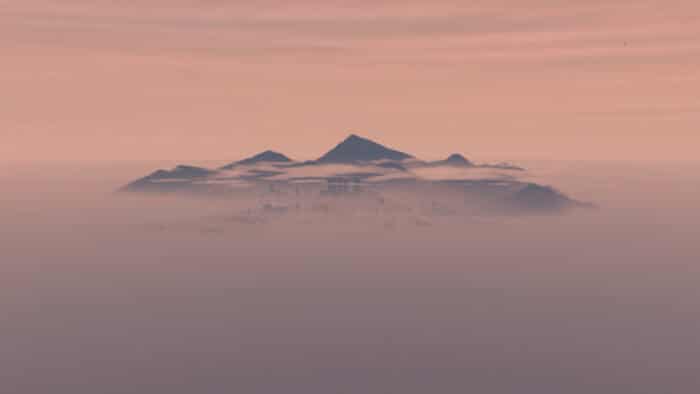
BAC A SABLE
Charlotte Cherici, Lucas Azémar
58’ – FR – 2023
Casa del Cinema: 20 Luglio
11 am
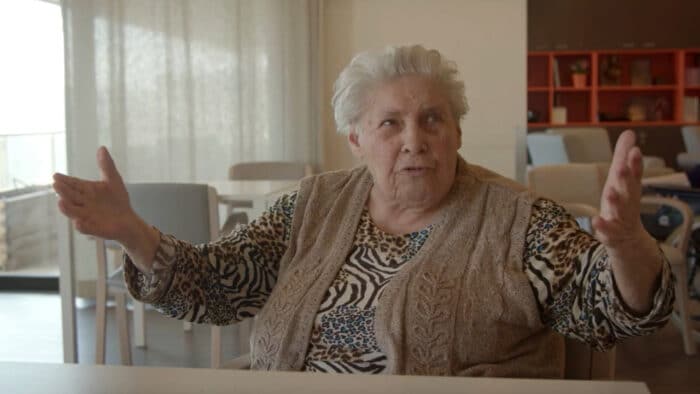
DANS LEUR MONDE
Isabelle Rey
65’ – BE – 2025
Casa del Cinema: July 23
7 pm
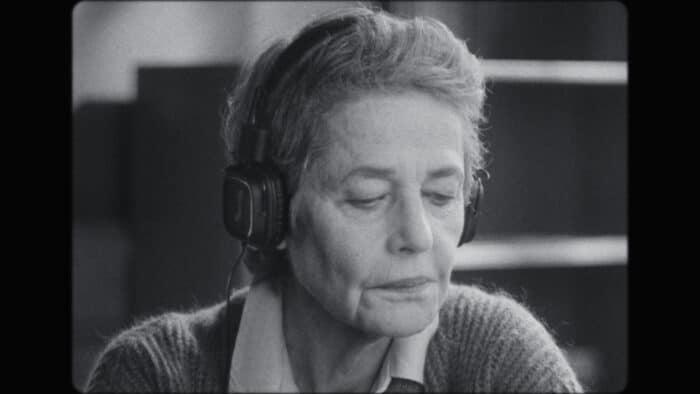
L’ANCRE
Jen Debauche
61’ – BE – 2024
Casa del Cinema: July 22
4.30 pm
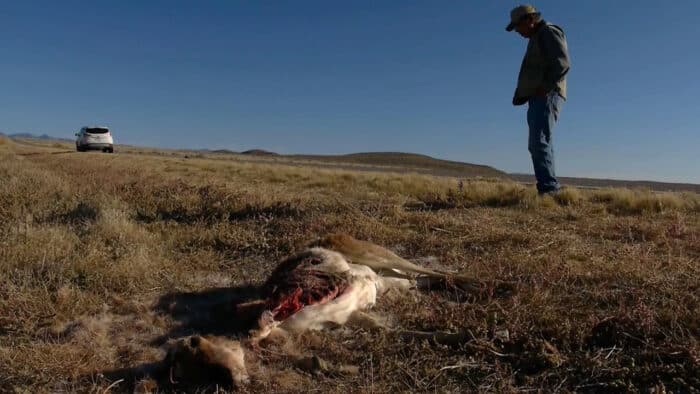
LES RECOMMENCEMENTS
Isabelle Ingold, Vivianne Perelmuter
87’ – BE, FR – 2024
Casa del Cinema: July 22
10.30 am
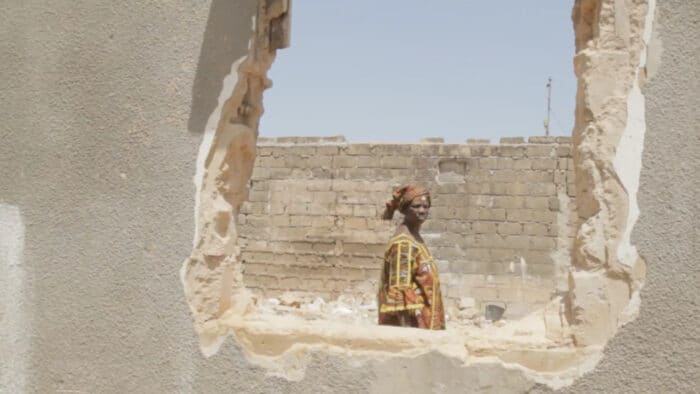
LITI LITI
Mamadou Khouma Gueye
76′ – SN – 2025
Casa del Cinema: July 22
6 pm
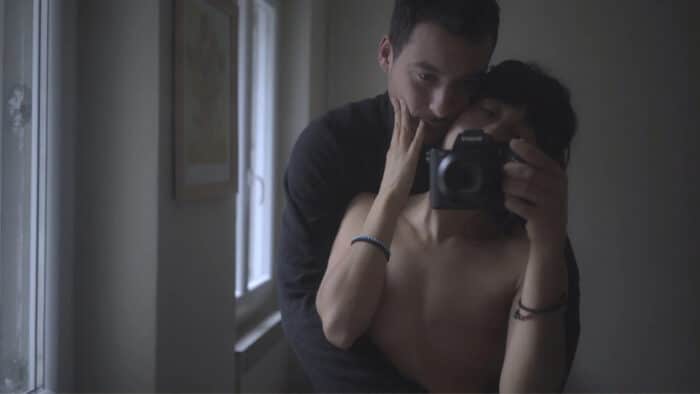
MAMA
Ana Cristina Benitez
95′ – ECU – 2025
Casa del Cinema: 23 July
9.30 pm
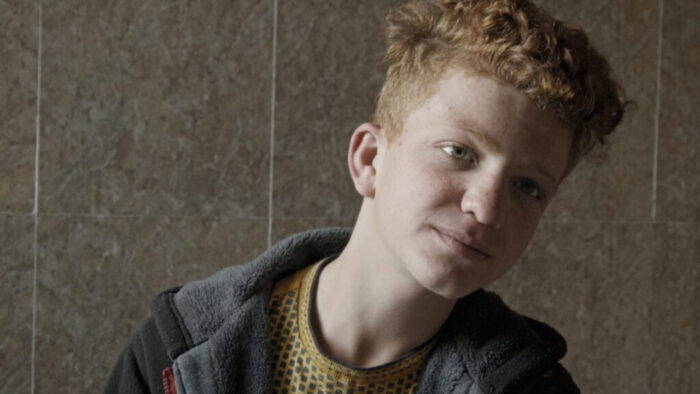
RASHID, L’ENFANT DE SINJAR
Jasna Krajinovic
80’ – BE/FR – 2025
Casa del Cinema: July 23
3 pm
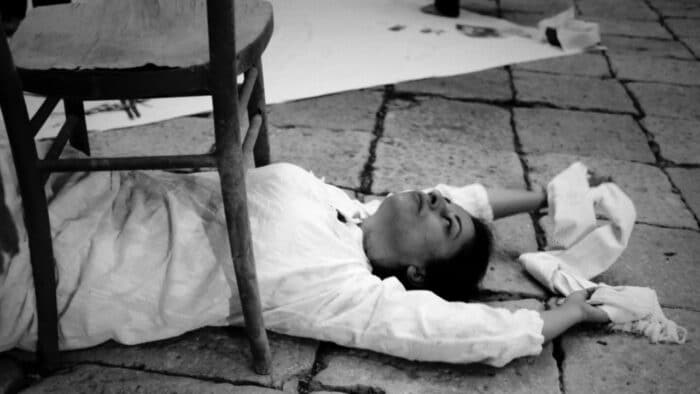
TARANTISM REVISITED
Anja Dreschke, Michaela Schäuble
105’ – DE, CH – 2024
Casa del Cinema: July 21
9.30 pm
INTERNATIONAL SHORT FILM COMPETITION

AL BASATEEN
Antoine Chapon
23’ – FR – 2025
Casa del Cinema: 22 July
4 pm
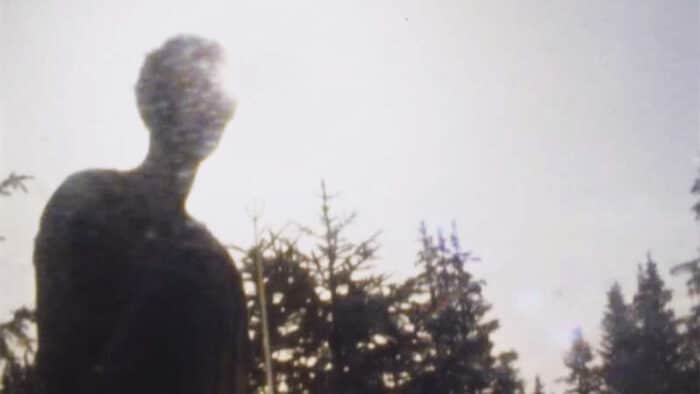
AS THE CROW FLIES
Clara Lacombe
29′ – FR – 2025
Casa del Cinema: July 23
11 am

AU BAIN DES DAMES
Margaux Fournier
30′ – FR – 2025
Casa del Cinema: 21 July
7 pm
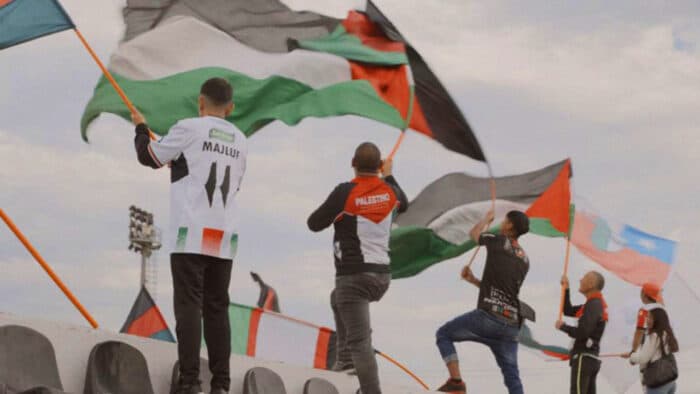
BAISANOS
Andrés Khamis Giacoman, Francisca Khamis Giacoman
13’ – CL, PS, ESP – 2025
Casa del Cinema: July 21
5 pm
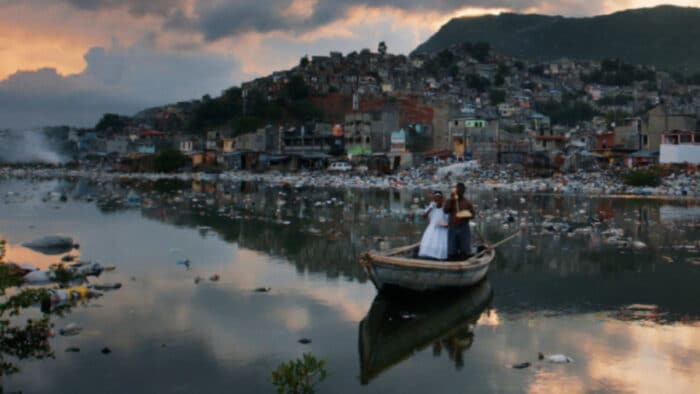
BLUE HEART
Samuel Suffren
15′ – HT – 2025
Casa del Cinema: 22 July
3.30 pm
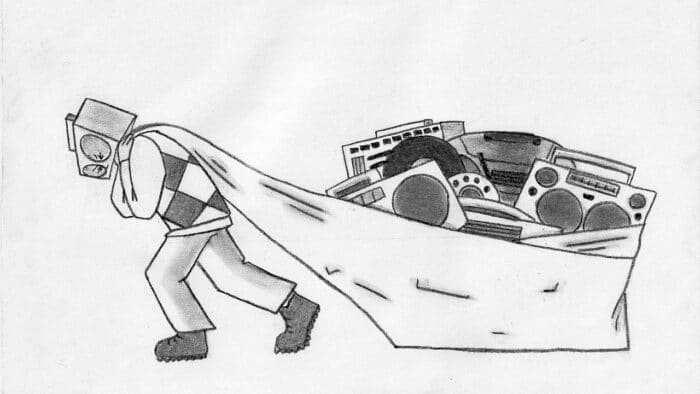
I DIED IN IRPIN
Anastasiia Falileieva
11′ – CZ, UA, SK – 2024
Casa del Cinema: 22 July
3.50 pm
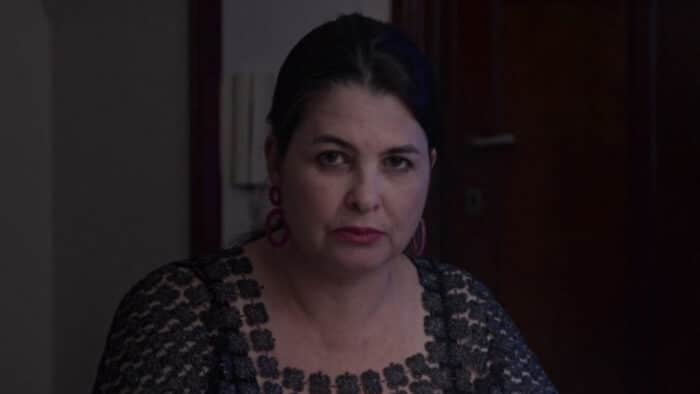
POUR CRISTIANY FERNANDES
Pauline Fonsny, Anaïs Carton and Marie José Freire
29′ – BE – 2025
Casa del Cinema: July 21
4 pm
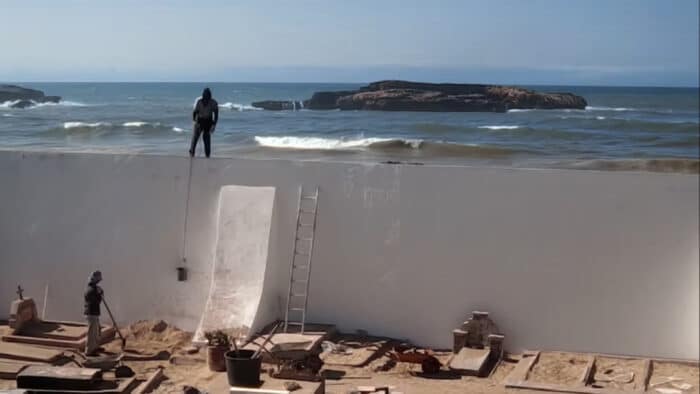
SEA GRAVES
Hector Boudot
32′ – FR – 2025
Casa del Cinema: July 23
6 pm
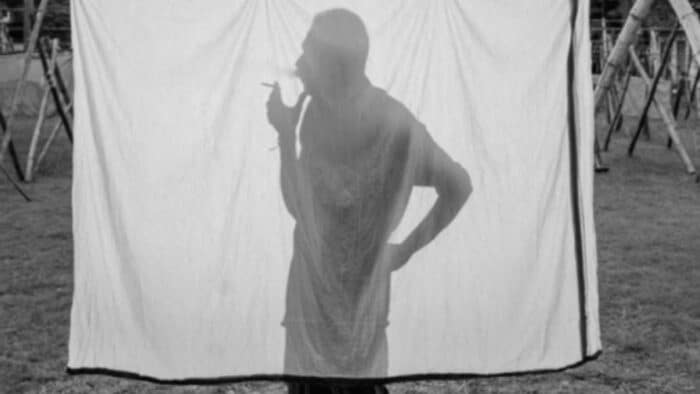
SLAVES OF EMPIRE
Rajesh James
51′ – IN – 2024
Casa del Cinema: July 24
5 pm
INTERNATIONAL SHORT FILM COMPETITION – FILM SCHOOLS
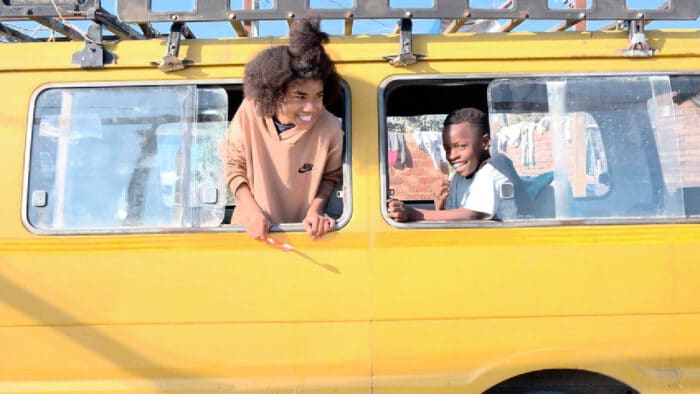
AGUA FRIA
Meme Cabello, Antonia Martinez Valls
Pontificia Universidad Católica
18′ – CL – 2025
Casa del Cinema: July 18
4.30 pm
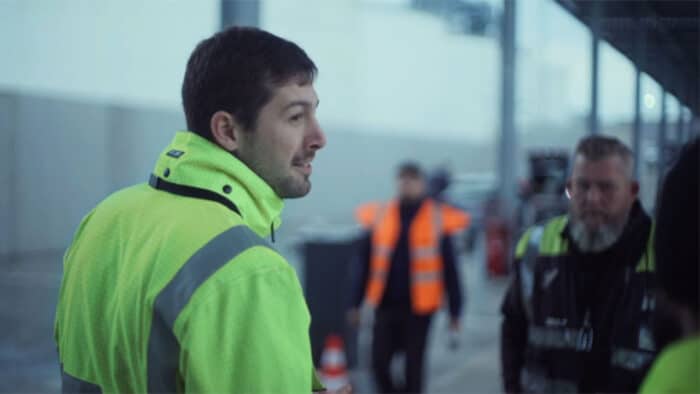
BUDA
Raphaël Kaddour
IAD
24′ – BE – 2025
Casa del Cinema: July 19
16.40 pm
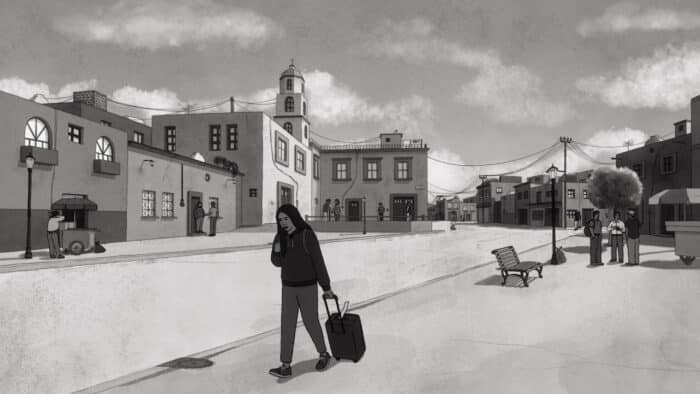
COMO SI LA TIERRA SE LAS HUBIERA TRAGADO
Natalia León
ENSAD
13′ – MEX – 2024
Casa del Cinema: July 20
16 pm
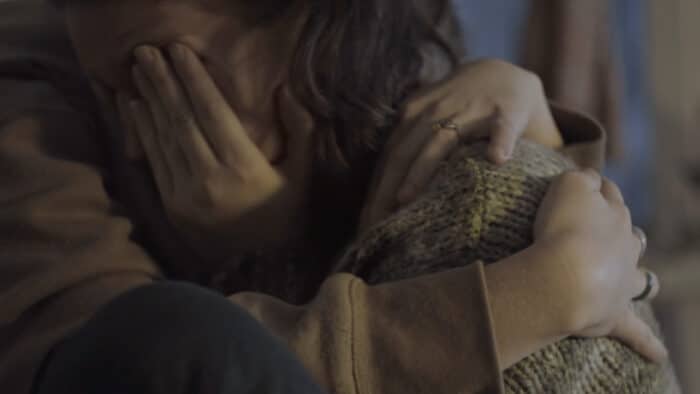
CONFESSION
Rebeka Bizubova
VŠMU-FTF Bratislava
23′ – SVK – 2025
Casa del Cinema: July 19
16 pm
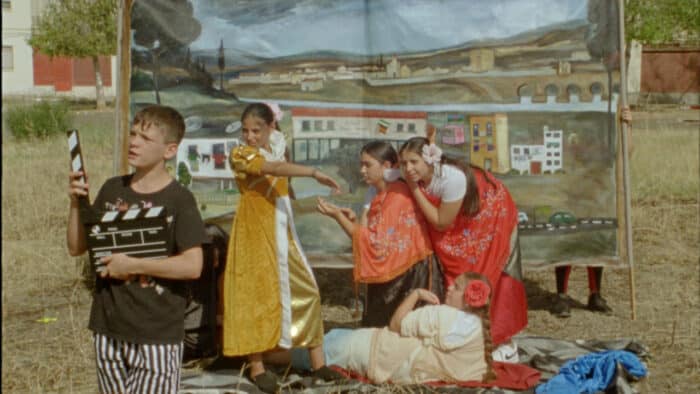
EL ENSAYO
Carmen Ayala Marín, Alberto Martín Menacho
C3A/HEAD
12′ – ESP/CH – 2025
Casa del Cinema: July 19
16.30 pm
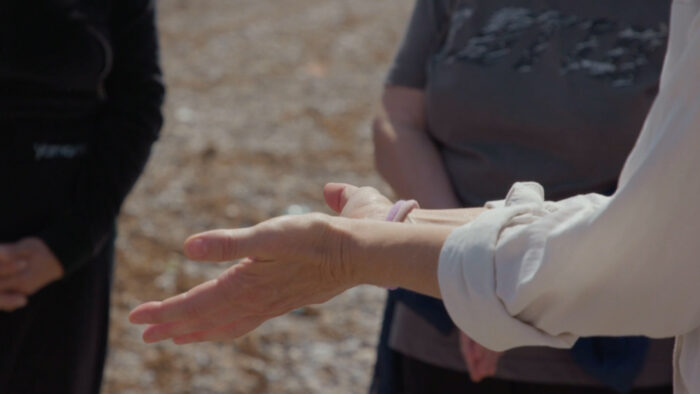
LE GUARITRICI
Giacomo Ceste
CSC
23′ – IT – 2025
Casa del Cinema: July 20
16 pm
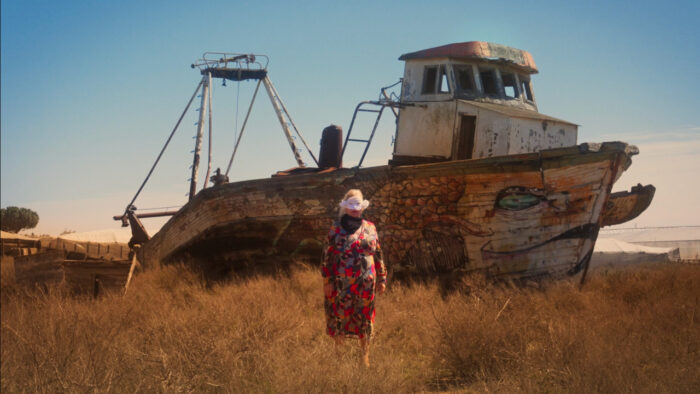
NO VEIA LOS COLORES
Lézio Schiffke-Rodriguez
HEAD
37′ – CH – 2026
Casa del Cinema: July 23
11.30 am
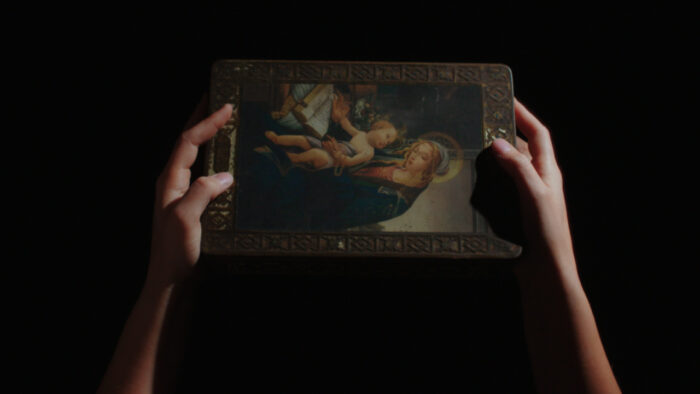
RIEN NE DORT
Soleysa Taleb
INSAS
28′ – BE – 2025
Casa del Cinema: July 23
5 pm
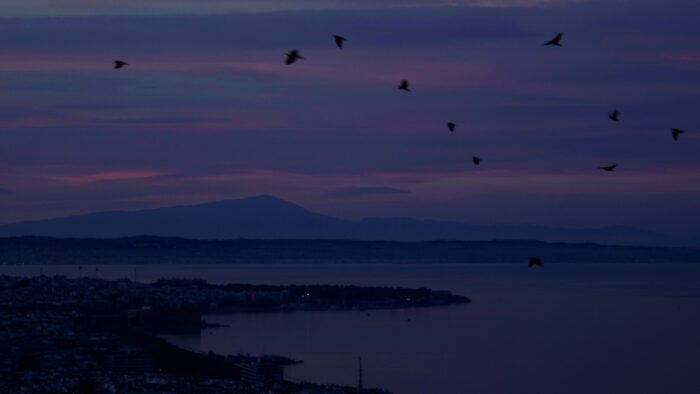
TEYRÊN, LES ENVOLÉES
Clara Diet & Bérénice Farges
Aristotle University Of Thessaloniki / INSAS
22’ – GR/BE – 2024
Casa del Cinema: July 18
4 pm
ITALIAN COMPETITION

EWA – THE LAST LESSON
Andrea Mura, Federico Savonitto
66′ – IT/PL – 2024
Casa del Cinema: July 20
5 pm

FOCUS MONTE FAITO
- Faito Doc Festival : Una Comunità Resiliente by Francesco Cerrone and Antonella D’Amora. IT – 20’ – 2026
- Dove sale il cuore by Anna Delgado. BE/IT – 8’ – 2025
- Partage by David Alvarèz BE/IT. 15’ – 2024
Retrospective of some films made as part of Faito Giovani and the school trips on Monte Faito:
Cena sensoriale by Nathalie Rossetti. IT – 3’ – 2024
Versi di Versi by Francesco Cerrone. IT – 16’ – 2024
Assalto al Faito by Salvatore Fronio. IT – 6’ – 2013
Il Ritorno by Milena Bochet. IT – 7’ – 2016
Le nostre città invisibili by Michele Aiello. IT – 12’ – 2021
Non dimenticare la tua storia by Dante Finocchiaro. IT – 7’ – 2022
Casa del Cinema: July 18
6 pm
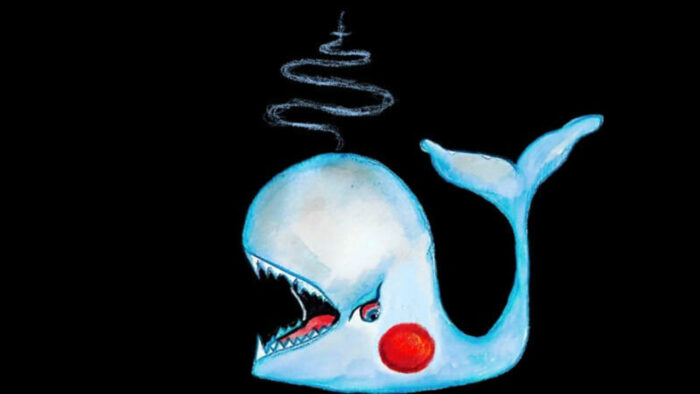
IL FUOCO NELLA BALENA
Gianfranco Gallo
18′ – IT – 2024
Casa del Cinema: July 21
6 pm

INNESTI
Sandro Bozzolo
60′ – IT – 2022
Casa del Cinema: July 18
12 pm
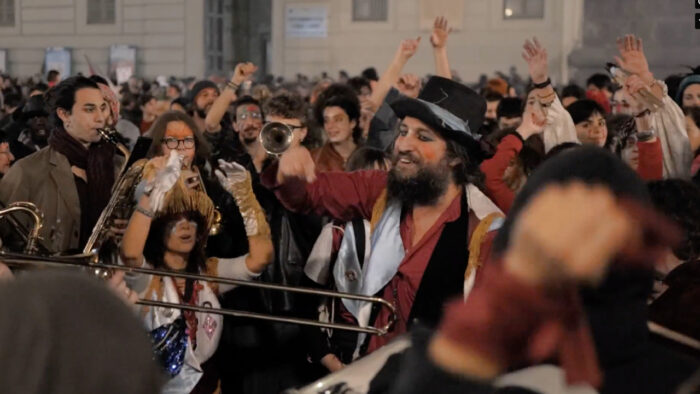
NAPOLI FELIX
Alessia Maturi e Maria Reitano
70′ – IT – 2026
Casa del Cinema: July 24
9 pm
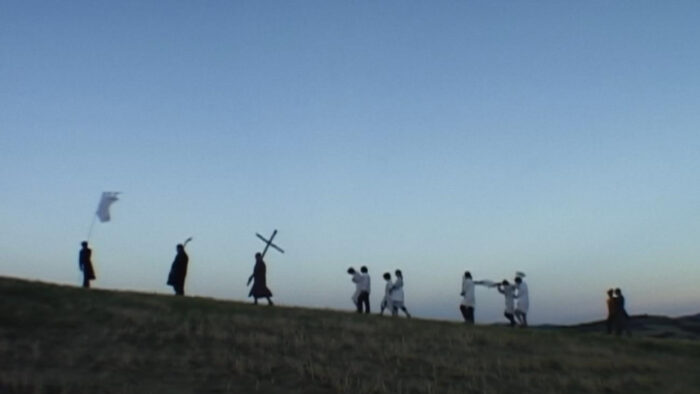
NOI SIAMO GLI ERRORI CHE PERMETTONO LA VOSTRA INTELLIGENZA
Erika Rossi
90′ – IT – 2024
Casa del Cinema: July 20
9.30 pm
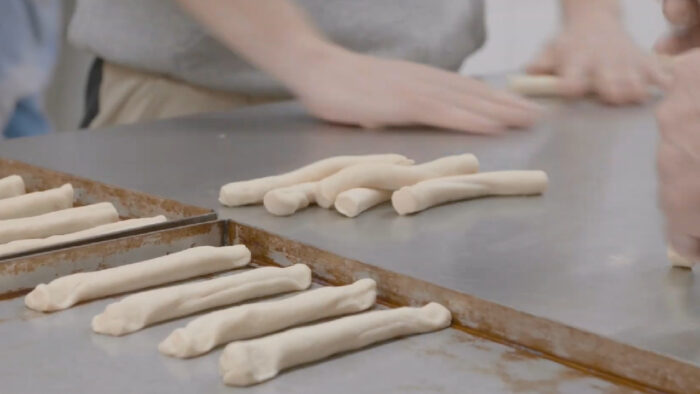
STORIA DI UN BISCOTTO
Marco Armando Di Martino
25’ – IT – 2026
Casa del Cinema: July 18
8.30 pm

TEMPO DI ATTESA
Claudia Brignone
75’ – IT – 2024
Casa del Cinema: July 25
5 pm
SPECIAL EVENT SCREENINGS
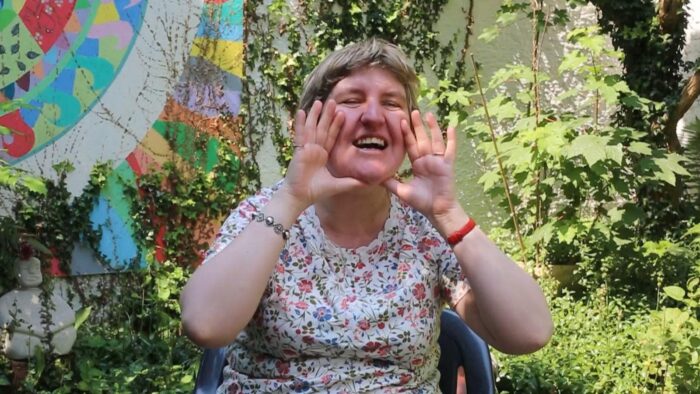
AÏE AÏE AÏE, QUI AIME BIEN L’AMOUR ICI ?
Eva Molina, Lou Lumbroso, Nadia Abbassi, Sarah Bedoucha, Mustapha Ben Sellam, Anissa El Boujdaini, Gaëtan Eugène, Yvonne Foxius, Nicky Hofman, Alice Kaeselau, Gilles Martin
39’ – BE – 2024
Casa del Cinema: July 19
5 pm

LÀ -BAS, JE TE VOIS
Gianfranco Gallo
18′ – IT – 2024
Casa del Cinema: July 20
6.30 pm
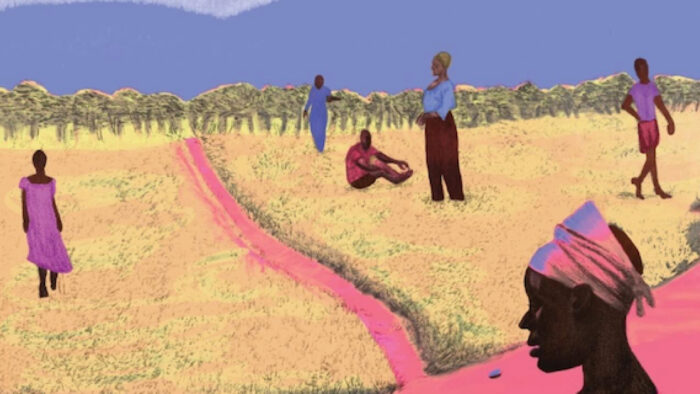
LES ÂMES FÊLÉES
Thérèse Di Campo
16′ – BE – Agnès Varda – 2025
Casa del Cinema: July 19
7 pm
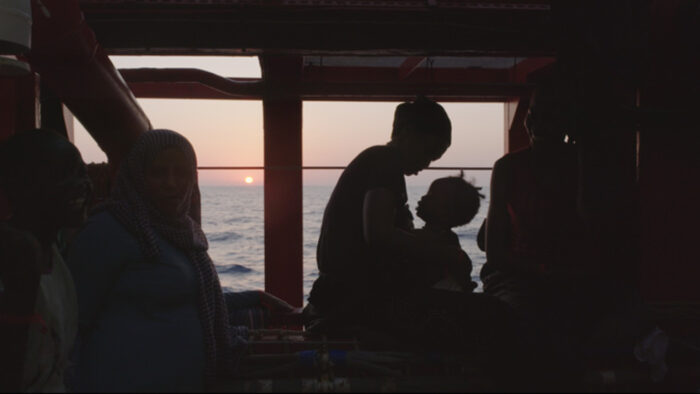
MOTHERSHIP
Muriel Cravatte
77′ – FR – 2024
Casa del Cinema: July 24
4 pm
COLLATERAL EVENTS
FESTIVAL AREA SET DESIGN
For the XIX edition of the Faito Doc Festival dedicated to the theme of Community, the scenic design has been entrusted to the residents of the therapeutic centre Il Camino, a reality that perhaps more than any other lives daily with the challenge and necessity of being together. From a week-long workshop with Anna Pallotta, a small community of papier-mâché figures was born: bodies that fly with a single wing, others in unstable balance, others still open to the world or gathered within themselves. Free from judgement and the constraints of verisimilitude, each of these sculptures holds a word, a thought, a message to be whispered. Because we are made of the same stuff as dreams. And perhaps every community is born precisely this way: from the courage to show oneself fragile, different and profoundly human.
Casa del Cinema – July 19 to July 27


PHOTOGRAPHY EXHIBITION — PAPIER-MÂCHÉ SCULPTURES
by Salvatore De Stefano
“My life has a very clear dividing line: a before and an after. That boundary coincides with a moment of profound personal transformation that marked my journey. It was precisely from those ruins that an unexpected voyage of self-discovery began, one that led me to leave Naples and move to Monte Faito. Along this path I also rediscovered a tool that has always been part of my professional life: the camera. No longer merely a technical instrument, but a filter through which to observe the world, interpret it and give shape to my emotions. The mountain, nature and the silence of Faito then completed this transformation, teaching me new ways of seeing and listening. The opportunity to photograph the papier-mâché workshop of the Camino community was an experience of extraordinary human intensity. I encountered a reality made up of people who, together, are seeking a rebirth; a community trying to rebuild itself through work, sharing and creativity. In their eyes, in their expressions, in the small gestures of everyday life I sensed stories of fragility, pain, resilience and hope. I tried to tell all of this through my photographs, letting the images speak of humanity, strength and the desire for redemption. But this experience was not only photographic. Above all, it was a profound human exchange. In a relatively short time, the people of the Camino community gave me far more than I could ever give back through my photographs. To them goes my most sincere gratitude.”
Salvatore De Stefano
Casa del Cinema: July 18
3 pm
MEETING WITH NOËL MAGIS
Noël Magis is General Director of screen.brussels, the investment fund and one-stop shop of the Brussels-Capital Region dedicated to the audiovisual sector. Since 2016 he has been coordinating public support strategies aimed at attracting private investment and strengthening the competitiveness of Brussels-based audiovisual companies at a European level. He oversees the regional fund that supports co-productions and film and audiovisual shoots. He is a member of several boards of directors and European bodies, including CineRegio, play.brussels and the Sabam for Culture commission. Previously he ran his own marketing agency, Nomacom, and worked in the fields of communication and the audiovisual industry. He holds a degree from the Université Libre de Bruxelles in journalism, communication and political science.
Casa del Cinema – 25 July
h12


BOOK PRESENTATION – “ODISSEA DORATA”
with the author Alessia Capasso
Odissea Dorata is a book and photographic journey through Montenegro, begun in 2016 on the occasion of the Brexit referendum and the tenth anniversary of Montenegrin independence. While some were choosing to leave the European Union, another community nestled between the beaches of the Adriatic and the peaks of the Durmitor was waiting to join it. The project explores a generation suspended between expectations and uncertainty, trapped in a prolonged geopolitical waiting room to enter ‘the Europe that matters’. Through fragmented landscapes, portraits of a restless youth, Orthodox rituals and coastal property speculation, the book explores what it means to grow up within an (so far) unfinished transition. Odissea Dorata is a visual fresco on what it means to wait without standing still.
Alessia Capasso, an Italian photographer and journalist, lives between Naples and Brussels. Since 2011 she has collaborated with photographic agencies, NGOs and international publications, including The Guardian, Le Soir, Internazionale, Der Freitag and SonntagsZeitung. Her work has been published and exhibited across Europe and Asia. Through articles and documentary photography, she tells stories of European identities, community life and social transformations. Odissea Dorata has received several awards in Italy and Belgium, including the Premio Musa 2024 for Reportage and the Premio FIAF ‘Percorsi’ 2025
Casa del Cinema: July 25
3 pm
YOGA SESSIONS
Curated by Annamaria de Gennaro
Yoga and meditation sessions at Mount Faito populate moments of connection with oneself immersed in natural environment. Through deep breathing and mindful movement one tends to inner listening, the search for balance and one’s own truth, cultivating a sense of wholeness within and without and the harmony of body and mind with the soul. Sessions are open to all and to those who have never practiced yoga and want to immerse themselves in this wellness experience. Linguistic mediator Annamaria de Gennaro specializes in cross-cultural social sciences ” I have always searched in my path for a way that would take me across borders in the continuous human and different exploration. Cultural exchange the journey and the search for art in its different forms have always been my guide. The encounter with the ancient discipline of Yoga changed my life and showed me the way forward in the search for the union of mind body and spirit. I have trained and will continue to train as a yoga teacher and offer classes and workshops to young and old in the belief that the road to wellness must be cultivated together every day. The nconttro with the Faito Doc Festival was cathartic for the process of reconnecting with my roots and choosing to return to them.”
Casa del Cinema – 27 July
h10:45


TRIRATNA MEDITATION
Curated by Bernard Stevens
Triratna is the name of a Buddhist movement that started in England in the 1960ies and then spread all over the world including India, to become one the main representatives of Buddhism globally.
Although the Triratna teaching and organization aims at resenting Buddhism in a way that corresponds to the challenges of the Modern world, it’s techniques of meditation reach back to the oldest tradition. It is mainly “anapanasati” (the mindfulness of breathing) and “metabhavana” (the cultivation of lovingkindness). This is what we will presenting in this short session.
PAINTING EXHIBITIONS
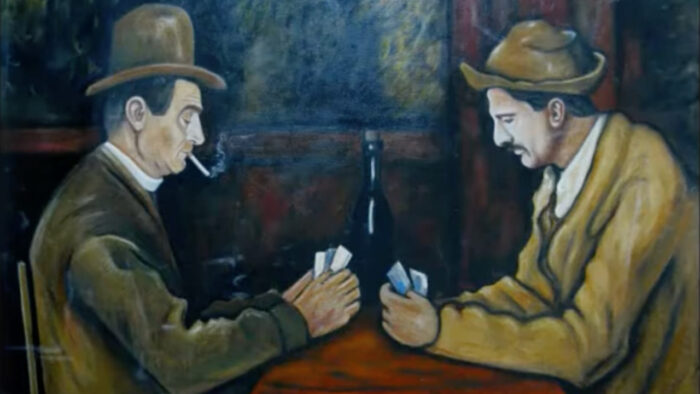
FALSI D’AUTORE – A painter outside of time discovered in Moiano: Franco Massa and his ‘author’s forgeries’ that do not imitate, but inhabit the masters
There is an artist no one was looking for, and yet one everyone should know. His name is Franco Massa, he lives in Moiano, and his paintings seem to emerge from a parallel world: rural, sacred, popular and theatrical all at once. Self-taught and free from artistic trends, Massa does not copy the great masters – he brings them back among ordinary people.
Drawing from Caravaggio, Piero della Francesca, Botticelli and Renaissance painting, he replaces the original faces with those of his fellow villagers: saints, madmen, friends and card players suddenly become contemporary figures. The anatomies are irregular, the perspectives unstable, but this is exactly where the emotional force of his work lies. Franco Massa does not paint perfection; he paints memory, identity and community.
His work is also strikingly close to documentary cinema. Before painting, he photographs the people of Moiano, then “edits” their faces into the masterpieces he loves, transforming classical paintings into living portraits of his village.
Inside each canvas there is silence, irony, tenderness and unease – but never calculation. Everything comes from a genuine artistic necessity.
Discovering Franco Massa means rediscovering a raw and instinctive form of painting, deeply rooted in the real life of a place and its people. As if the masterpieces of the past could continue to live only by returning, once again, among ordinary people.
MOIANO – Bar Massa: July 21
12.30 pm
TRACES
I am a self-taught Belgian artist. I divide my time between Brussels and Glossa on the
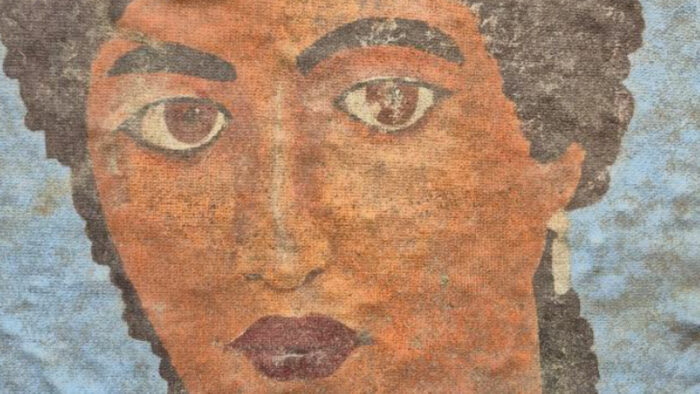
Greek island of Skopelos. Two complementary bases for my artistic work. Over the past 40 years, unconsciously but consistently, my artistic practice has always been about « traces ».
10 years ago, I learned of portraits painted in Egypt a long time ago, in a region called Fayoum. Portraits whose gazes catch our attention at the end of a very long stay underground. The earth, the soil, that left its mark, its traces, without truly damaging or destroying anything. Simply biting into the paint here and there. This major discovery has guided much of my work … Ever since, I am reinterpreting portraits, which I then entrust to the soil of this beautiful Greek island of Skopelos.With these new traces, a new story is being written
Casa del Cinema: July 25
3 pm
FAITO DOC CAMP
The Faito Doc Camp is the camping area of the Faito Doc Festival. It was born from the encounter between the Faito Doc Festival and ‘Gli Amici della Filangieri’, a Social Promotion Association founded in 2011 that operates permanently at the Asharam Santa Caterina, a property confiscated from organised crime in the historic centre of Castellammare di Stabia. For years the association has been committed to the protection, sustainable development, enhancement and defence of the territory through initiatives aimed at the care and support of the community. Gli Amici della Filangieri work primarily on sustainable mobility, the protection, care and regeneration of the territory, youth engagement and integration, in close collaboration with La Casa della Pace e della Non Violenza, an association founded by Maurizio Somma and assigned the confiscated property. The Faito Doc Camp, established eleven years ago, is a community where respect and diversity are embraced as founding values, and where art, music and the rediscovery of the territory become tools for sharing. The camping area, reserved exclusively for Festival participants enrolled in the organising Associations, aims to be a polyphonic space where languages, colours, sensibilities and cultures celebrate Diversity as wealth and inspiration.
Casa del Cinema – July 19 to July 27


RADIO ASHARAM
Radio Asharam is the web radio of the Amici della Filangieri active since 2012 at the Asharam Santa Caterina, a property confiscated from organized crime founded by Maurizio Somma in the historic center of Castellammare di Stabia. Among the most important and followed web radios in the Stabia area, it represents a point of aggregation mainly related to the issue of integration.
FAITO DOC ART – EXHIBITION OF GRAPHIC ART, WRITING AND GRAFFITI CURATED BY DOM CUOMO
DOM CUOMO (ITALY)
Dom Cuomo dipinge dalla fine degli anni ’90 e ha partecipato ad eventi in Italia ed Europa collaborando con artisti internazionali. Attualmente collabora con scuole, comuni ed associazioni di Napoli e provincia, organizzando progetti ed eventi. Insieme a Gli Amici della Filangieri ha coordinato diversi eventi di street art sul territorio. Faito DOC art ospiterà artisti affermati della scena italiana che disegneranno su vari supporti utilizzando tecniche miste di writing e pittura. Le opere realizzate saranno installate all’interno del Faito Doc Camp creando di fatto una galleria d’arte en plein air fruibile per tutta la durata del Festival.
Casa del Cinema: July 19
10.30 am
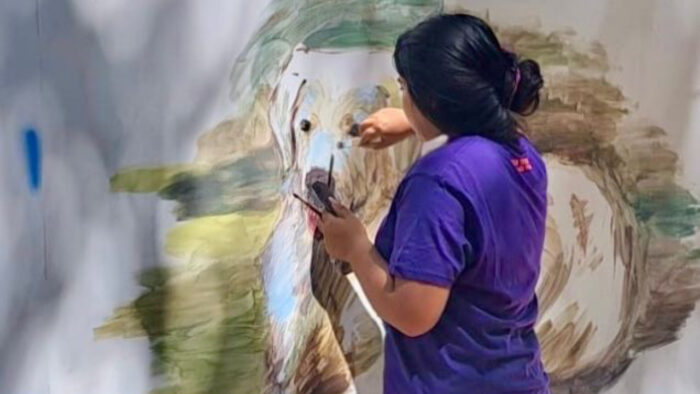
NAYLA MARTINEZ (PERU)
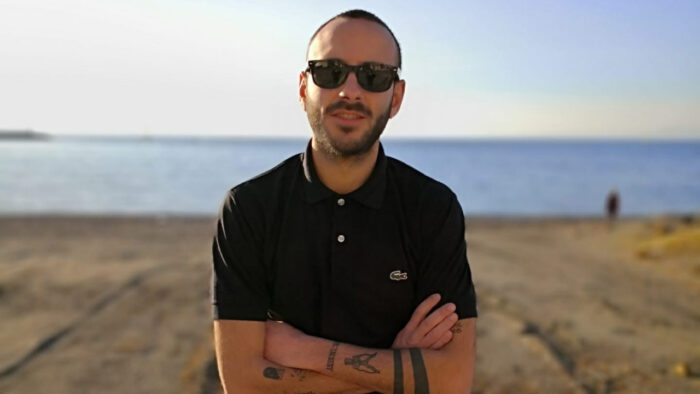
In this edition Nayla Martínez will pay tribute through a mural to the shepherd of Monte Faito: Michele, who passed away in the early days of April 2025. For several years Michele had been attending the Festival as a spectator, seated at the back of the hall with two Maremma sheepdogs lying at his feet.
Nayla Martínez is an international visual and plastic artist born in Lima in 2000. Trained at the Academy of Fine Arts in Lima, she has focused her career on muralism and traditional painting. Her work is characterised by technical diversity — ranging across oil, acrylic, watercolour, graphite, among other disciplines — and by the representation of themes such as the human figure, nature and everyday objects. She has taken part in various exhibitions and muralism projects across several countries. Currently residing in Italy, Nayla brings her art from the studio canvas to public walls, connecting identities through colour and form.
Casa del Cinema: July 19
10.30 am
CONCERTS
AN NA & THE WADA
With a borrowed guitar and a series of unexpected events, Anna Delgado had the honour of presenting her music as a solo act at the last edition of Faito Doc. An improvised and sincere moment that allowed her to rediscover a place, a community and a set of initiatives capable of sparking hope. This year she returns with her project AN NA & the WADA, accompanied by Charlie Degotte on drums. On stage, Anna’s reverberating guitars intertwine with a visceral sonic presence: a dialogue made of caresses and cries of rage, inviting the audience to feel, to be moved from within, to build a genuine emotional empathy. Anna’s expressive bipolarity — between voice and guitar — meets Charlie’s drumming growls, in a true barrage of styles with a punk spirit: sonic caresses and slaps, sweetness and tension, fragility and impact.
Camping Area: July 18
10 pm
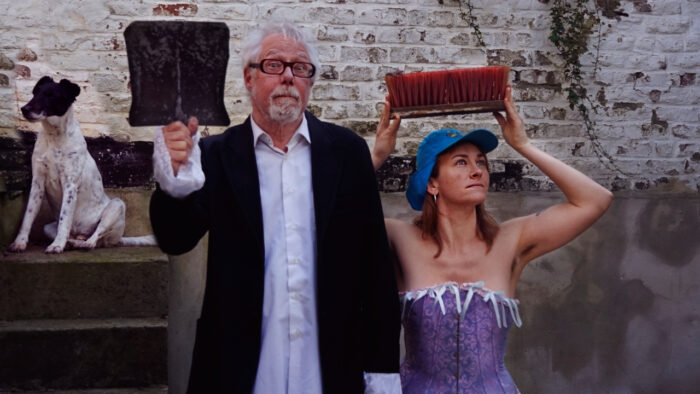
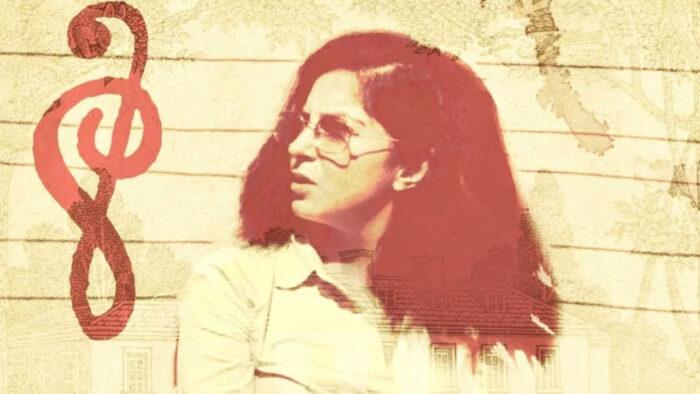
FRANCESCA FEDELI – GINSÈ CHANTANT
Francesca Fedeli presents Ginsè Chantant Viviani Edition, a one-woman show dedicated to the figure of the great actor and playwright Raffaele Viviani. A journey through his most beautiful songs and poems, and through the most intense passages of his work ‘Dalla vita alle scene’, a remarkable example of an artist’s autobiography. Francesca Fedeli, after graduating in Philosophy, trained as an actress at the school of the Teatro di Napoli, Teatro Nazionale, directed by Luca De Filippo. She has worked in theatre with Filippo Timi (‘Cabaret delle piccole cose’), Robert Wilson (‘Oedipus Rex’), and Daniel Pennac (‘Ho visto Maradona’). Since 2022 she has been writing and directing her own shows (‘Monica – Odellalibertà’, a tribute show to Monica Vitti; ‘Profondoblù’, a civic theatre piece on the Argentine dictatorship; ‘Una voce umana’, a performance on the relationship between technology and vocality).
Camping Area: July 22
9 pm
BUBBÙ&BUBBÁ NIGHT
Closing party at the Faito DOC Camp with our legendary DJ set. As every year, we will all be together to bid farewell to the Faito DOC Festival in memory of Danilo ‘DFlaks’ Argine. A multifaceted artist, graphic designer and Disc Jockey, Danilo was and will forever be a great supporter and friend of the Faito DOC Camp. Since the very first editions Danilo thrilled us with his music and, as has been the case for the last 4 editions, we want to dedicate this wonderful party to him. And who better than his vinyl brothers to guide us from the decks during this moment of tribute? From Skat Busted with his musical journey (Rocksteady, Reggae, Roots, Dub) to the Cumbia of the Terkos, from the Guappi who need no introduction to the Discoteca di Stato born from the union between Borotalco and Na-East Record, from Dirton, historic DJ and producer, to RudeSelecta, from FrizzyPazzy master of the Salerno scene to the Soul and House Music of Luca Esse.
Camping Area: July 25
10.30 pm
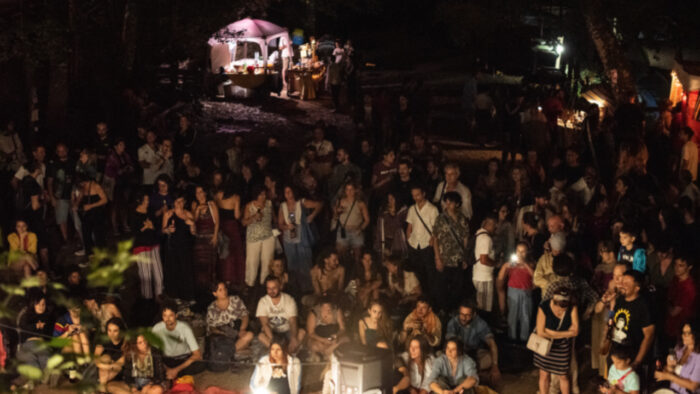
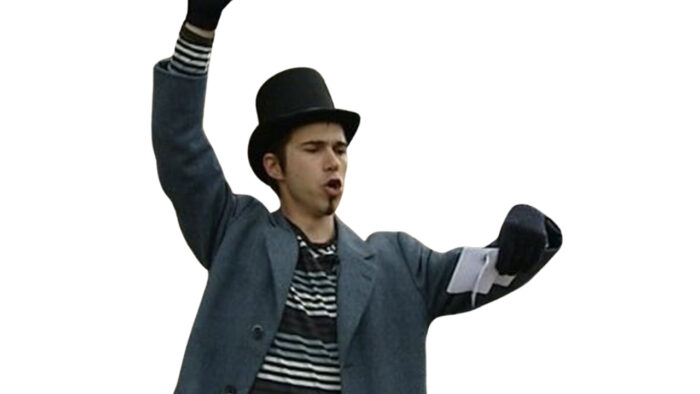
THE VOICE OF THE COMMUNITY (PUBLIC SHOUTER) — BY FDF
Between one screening and the next, inspired by the French tradition of the crieur public, the Voice of the Community gathers thoughts, poems, wishes and questions from Festival participants. Then, drawing a short message at random from its magic hat, it reads it, calls it out and offers it to the community, transforming these individual words into a moment of shared experience.
Casa del Cinema – 20 Luglio
h11
DOCS FOR KIDS
Curated by the film director Milena Bochet
“Community, what a beautiful theme to bring us together once again, young and old alike! In the Casa del Cinema, under the Faito Doc tent, we celebrate not only the cinema of its origins, but also the extraordinary variety of languages found in animated cinema. This year we will pay tribute to Harold Lloyd with a film that will give you chills and emotions. And before that, some animation masterpieces await you”.
Milena Bochet, filmmaker and passionate collector of small film treasures, was born in Madrid, lived in Lisbon and now lives in Brussels, where she teaches film in schools and prisons. With sensitivity and curiosity, she guides us each year on a cinematic journey that is good for the heart. Get ready to laugh, dream and be transported to a suspended time, where imagination unites all generations.
With the participation of ASCARI.
Franzis Ascari is a musical artist, composer and performer who weaves together music, cinema, dance, video games and contemporary arts in a exploration between tradition and experimentation. His writing combines minimalism, electronics, music for images, sound design and vocal research, giving rise to a personal and multidisciplinary language. Author of soundtracks and performative projects, he has collaborated with major figures in the world of cinema and taken part in international festivals, exploring the dialogue between sound, image and body.
Casa del Cinema: July 19
11.30 am


INTERVALLO NELLA FURGONETTA (Interval in the little van)
Curated by Portulaca Project
Portulaca Project presents Intervallo, a selection of short videos by contemporary artists projected inside La Furgonetta, a mobile viewing and thinking device that transforms the journey into a shared experience and the community into a place of encounter.
Casa del Cinema – 22 July
h9:30
NATURE AND WALK ART AND PIMONTE VISIT
Curated by Nando Fontanella and Giovanni De Gennaro
Starting from Monte Faito, near the Church of San Michele, one takes the Sentiero delle Tese, an ancient path that connects the mountain to Pimonte through woods, beech forests and spectacular views over the Monti Lattari and the Gulf of Naples. A scenic itinerary of approximately 3 hours and 30 minutes, ideal for those wishing to immerse themselves in nature and rediscover the deep bond between these mountains and the communities that inhabit them. In Pimonte, participants will be invited to taste some of the area’s typical products — the caciotta cheese of the Monti Lattari, the Cannellino tomato of Pimonte, artisan cured meats, honey and other local specialities — expressions of the gastronomic identity of this land. The day will conclude with “Music at sunset“, a series of concerts hosted in the evocative area of the Croce di Monte Pendolo. Amid the panorama of the Gulf of Naples and the colours of the sunset, music, nature and conviviality come together in an experience capable of celebrating the territory and its community.
Casa del Cinema: July 26 – 10 am
Piazzale dei Capi: July 26 – 4 pm


FAITO DOC PITCHING
Fifth edition
This year’s edition will have two exceptional mentors — one from La Scam and one from ZaLab — to support participants on a journey of professional growth and exchange.
The projects for the new edition of the Faito Doc Pitching were selected, for the French-speaking section, by Nina Langlet and Charlotte Buisson-Tissot — under the supervision of Amel Bouzid — and for the Italian section by the ZaLab team.
Nina Langlet is a programmer and project reader specialising in short and medium-length documentary. Trained in film production and screenwriting, she collaborates with Faito Doc in the selection and promotion of new documentary writing.
Charlotte Buisson-Tissot, a Franco-Swiss author and filmmaker based in Brussels, after experience in independent documentary in Great Britain devotes herself to writing and teaching at the École Supérieure des Arts Saint-Luc in Tournai, collaborating with Faito Doc Pitching in the development of auteur projects.
Amel Bouzid is a Belgian-Tunisian producer specialising in auteur cinema and international co-productions. Co-founder of Daarna Productions, she works on the development and distribution of independent works, supporting new voices in contemporary cinema.
ZaLab is an Italian production and distribution company dedicated to auteur documentary and social cinema, committed to promoting narratives connected to communities, rights and social transformations through an independent and participatory approach.
Our mentors
Sara Zavarise is an Italian documentary filmmaker and editor, co-founding member of ZaLab. She has edited numerous films for cinema and television and developed participatory video projects in Italy and abroad, with a focus on migration, rights and communities.
Milena Bochet is a Franco-Spanish director and documentary filmmaker, active in cinema of the real and participatory audiovisual practices. Her work focuses on social narratives and collective processes, alongside training activities and documentary writing workshops.
Selected projects
- Gentiane, by Chiara Zoja, Elisa Zanotto
- De la ré exploration à l’échange, by Lucie Havelange
- A Thread of Voice (Un Hilo de Voz), by Eleonora Privitera
- Hymne à la tendresse, by Carlota González-Hontoria Lefèvre
- Un monde dans le monde, by Francesco Garbo, Pierluigi Muscolin
Casa del Cinema: July 25
9 am
MEDEBER TEATRO
From cinema to the body, from vision to encounter at Faito Doc, if stories are watched with the eyes, they are inhabited with the body. Thanks to Medeber, the gaze on the screen transforms into encounter and the audience is invited to connect through words, movement and shared presence. Founded in Brussels by Francesco Moraca and Serenella Martufi, Medeber Teatro is a laboratory of research, training and artistic creation that builds spaces for dialogue between artists and communities. Its name is inspired by the Medeber of Asmara, in Eritrea, where objects destined for abandonment find new life through the ingenuity of the community: a metaphor that runs through all of their work. As playwright and artistic director, Serenella develops participatory projects and international collaborations; Francesco, an actor and educator trained at the ‘Silvio d’Amico’ Academy, combines theatre, education and social engagement in a practice open to people of all ages and backgrounds. Through the screening of a documentary and an experiential workshop open to all, Medeber Teatro proposes a journey in which cinema meets the stage and community takes shape through listening, presence and shared creation.
Casa del Cinema: July 20
7 pm


PHOTOGRAPHY EXHIBITION ‘COMMUNITIES IN RESISTANCE’
Thérèse Di Campo is an Independent photojournalist who has been working for the press for over ten years. In ‘Communities in Resistance‘ she brings together photographs taken during reportages in the Democratic Republic of Congo, Iraq and Morocco.
Through these images, the exhibition tells the story of the forms of resistance enacted by communities confronted with conflicts, repression and the gradual disappearance of their ways of life. From the popular mobilisations in Morocco demanding greater social justice, to the life of the Pygmy communities on the island of Idjwi, to the inhabitants of Mosul, in Iraq, grappling with the consequences of war, these photographs bear witness to a shared attachment to dignity, memory and life.
Casa del Cinema: July 19
7.30 pm
LA MURGA – Frente Murguero Campano
The Frente Murguero Campano brings together the murgas of Campania in a sonic family of people, rhythms and stories. Inspired by Argentine popular tradition, it brings to the streets a Carnival that is not just a celebration, but a collective gesture capable of breaking down distances and sparking connections. Every drum is a call, every dance an invitation, every procession a promise: that of rediscovering ourselves as a community, where no one remains a spectator and the rhythm becomes the beating heart that holds everyone together.
Piazzale dei Capi: July 24 – 8 pm
Camping area : July 24 – 10 pm

AWARDS
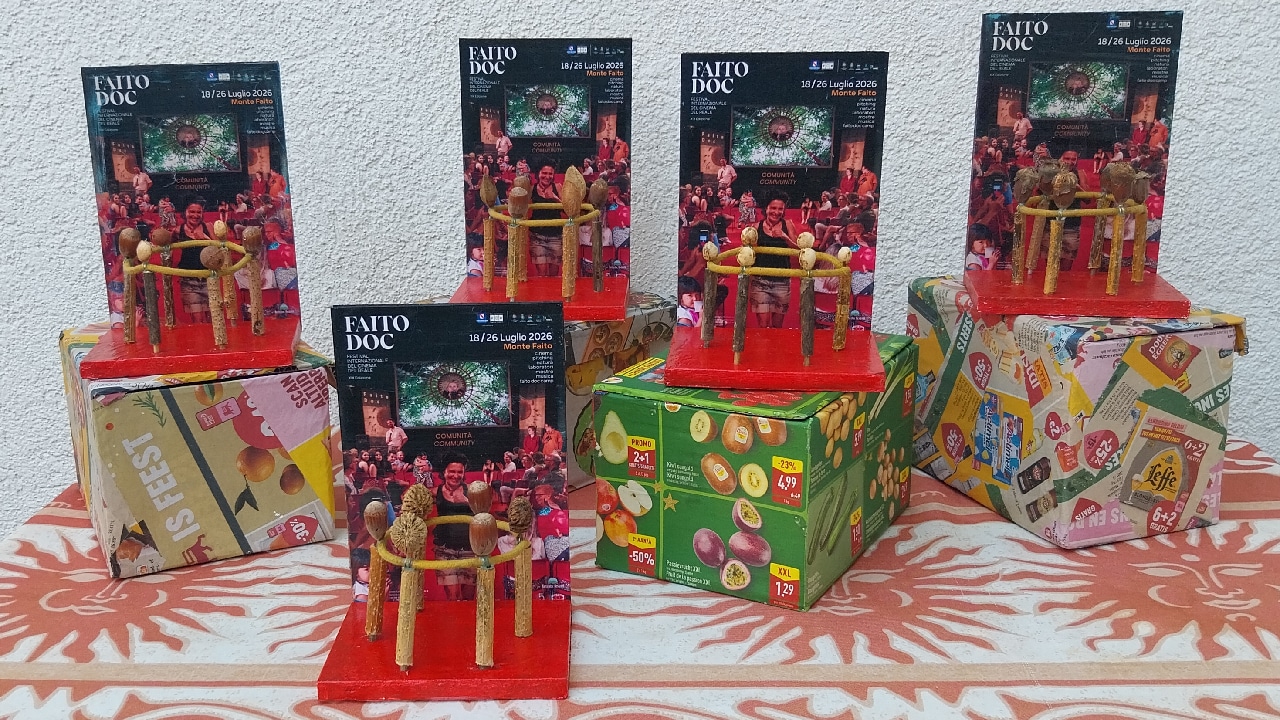
Christian Courtois, known as Cricou, is an inventor of unusual objects: his “cricouterie” evoke wonder and smiles. Branches, roots, broken or abandoned materials transform in his hands into original works that tell visual stories, subverting consumption logics and illuminating the invisible. His vision is guided by fantasy, good humor, and a love for life. For years, Cricou has been crafting the four Faggio Doc Awards, presented to the best feature films and short films voted by the International Jury of the Magnifici and the International Youth Jury.
For the International Film Schools Competition, the following awards will be given:
- the ‘Il Camino’ Award, presented by the Il Camino Jury and consisting of an original creation made by a resident of the community;
- the ‘Maurizio Somma’ Award, presented by the Doc Camp Jury and consisting of an original creation by a member of the Gli Amici della Filangieri Association.
The collaboration between Faito Doc and the Il Camino therapeutic centre, active since 2008, has grown richer over time. The centre’s therapists have supported the festival’s culture and activities. The residents take an active part in it: they present creations, contribute to the set design, look after the Casa del Cinema area, take part in dance, writing and theatre workshops, and create sensory performances. They are also the protagonists of documentary portraits and video letters presented at this edition, as well as of two feature films dedicated to their journey as a community.
The Associazione ProFaito Onlus presents the Audience Award plaque.
The Ottica Sacco Award, a spyglass, will finally be given to the film that stands out for the sharpest and most original perspective on reality.
For the Italian Competition, the ‘Cinemare’ Awards for Best Feature Film and Best Short Film will be presented by the members of Cinemare di Vico Equense.”
Twinning Festivals
KINOLATINO, Bruxelles
Peloponnisos International Documentary Film Festival (Kalamata), Greece.